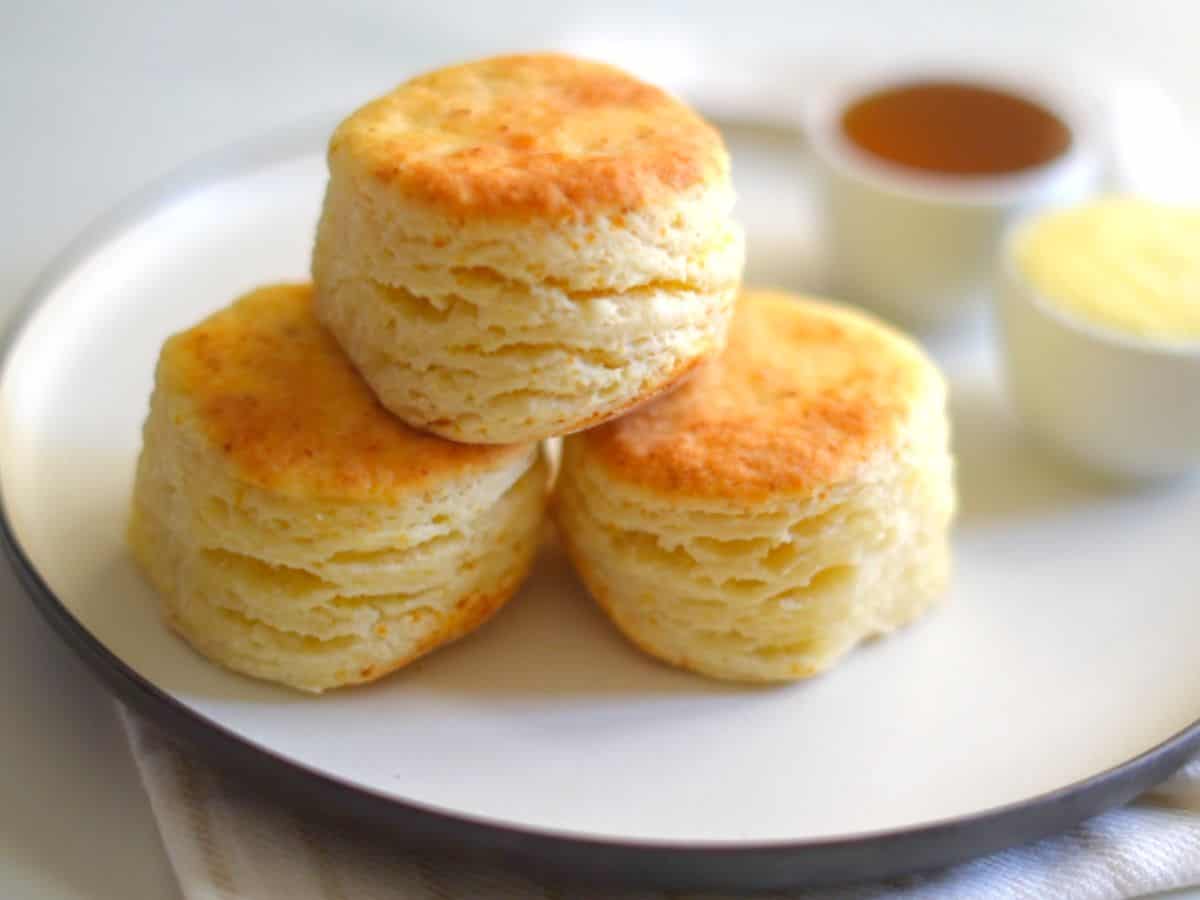
No Buttermilk? Easy Substitutes for Flaky Biscuits
There's nothing quite like the irresistible aroma and melt-in-your-mouth texture of freshly baked, flaky Southern buttermilk biscuits. They're a staple for breakfast, brunch, or alongside a hearty dinner. But what happens when you're struck with a craving for these golden delights, pull out your favorite recipe, and realize it calls for buttermilk – an ingredient not everyone keeps on hand? Don't despair! A lack of buttermilk doesn't have to put a damper on your biscuit-baking dreams. With a few simple kitchen staples, you can create easy, effective substitutes that will still yield wonderfully rich and tender buttermilk biscuits.
The Magic Behind Buttermilk in Biscuits
Before diving into substitutes, it's helpful to understand why buttermilk is such a crucial component in many biscuit recipes. It’s not just for flavor; its unique properties contribute significantly to the desired texture and rise:
- Acidity for Leavening: Buttermilk is acidic. When it combines with baking soda (a common leavening agent in biscuit recipes), it creates a chemical reaction that produces carbon dioxide gas. This gas gets trapped in the dough, forming tiny air pockets that contribute to a high rise and an incredibly light, airy crumb. Without this acid-base reaction, your biscuits would be dense and flat.
- Tenderizes Gluten: The acidity in buttermilk also helps to tenderize the gluten in the flour. Gluten, when overdeveloped, can make baked goods tough and chewy. Buttermilk keeps the gluten strands shorter and less elastic, resulting in a more tender, flaky biscuit rather than a bread-like one.
- Adds Flavor and Richness: Beyond its functional role, buttermilk imparts a distinct tangy flavor and a subtle richness that enhances the overall taste profile of the biscuit. It adds depth without being overpowering, perfectly complementing both sweet and savory accompaniments.
Buttermilk SOS! Easy DIY Substitutes
The good news is that replicating buttermilk's essential properties is surprisingly simple. You likely have the ingredients for a quick substitute in your pantry and fridge right now.
Milk & Acid Combo: The Classic Quick Fix
This is arguably the most common and effective buttermilk substitute, mimicking its acidity and consistency. You'll need regular milk and an acid source like lemon juice or white vinegar.
- How to Make It: For every 1/2 cup of buttermilk required in your recipe, combine 1/2 cup of milk (whole or 2% works best for richness) with 1 1/2 teaspoons of freshly squeezed lemon juice or white vinegar.
- Instructions: Simply pour the milk into a measuring cup, then add the lemon juice or vinegar. Stir gently and let the mixture sit for about 5-10 minutes. During this time, you'll notice the milk starting to curdle slightly and thicken, resembling actual buttermilk. Give it another quick stir before adding it to your dry ingredients.
- Why It Works: The acid in the lemon juice or vinegar reacts with the milk proteins, causing them to coagulate and thicken. This process emulates the natural fermentation that gives buttermilk its characteristic tang and texture, providing the necessary acidity for your leavening agents.
- Pro Tip: Using fresh lemon juice can impart a very subtle, pleasant citrus note, while white vinegar is virtually flavorless. Choose based on your preference or what you have available.
Yogurt or Sour Cream Solutions
If you have plain yogurt or sour cream on hand, these can also be thinned down to create a suitable buttermilk alternative. They offer a similar tang and richness, though their texture is naturally thicker.
- How to Make It: For every 1/2 cup of buttermilk needed, use 1/2 cup of plain yogurt or sour cream. You'll need to thin it out to the consistency of buttermilk using a bit of skim milk or regular milk.
- Instructions: Place the yogurt or sour cream in a measuring cup. Gradually whisk in a tablespoon or two of milk until the mixture reaches a pourable consistency similar to buttermilk. Be careful not to make it too thin.
- Why It Works: Both plain yogurt and sour cream are fermented dairy products, meaning they already possess the acidity and tangy flavor profile crucial for buttermilk biscuits. Thinning them ensures they integrate properly into your dough without making it too stiff.
- Pro Tip: Always use plain, unflavored yogurt or sour cream. Flavored varieties will introduce unwanted sweetness or other tastes that won't complement your biscuits.
Beyond the Buttermilk: Mastering the Flaky Biscuit
While buttermilk (or its substitute) is essential, perfect flaky biscuits depend on more than just the liquid. Several other techniques contribute to their legendary rise and tender texture. Incorporating these tips will elevate your buttermilk biscuits, whether you're using real buttermilk or a homemade substitute.
The Frozen Butter Advantage
One of the most impactful techniques for achieving superior rise and flakiness is using frozen butter. Chef Jean-Paul Bourgeois, a celebrated baker, champions this method, noting its significant impact on texture.
- Why It Works: Freezing butter ensures it stays incredibly cold and firm throughout the dough-making process. When grated, the butter creates tiny, cold shards that are easily incorporated into the flour without melting. As the biscuits bake in a hot oven, these cold butter pieces melt, releasing steam. This steam creates small pockets and layers within the dough, pushing the layers apart and resulting in that coveted flaky texture. Using cold butter also prevents it from fully incorporating into the dough, ensuring distinct layers rather than a homogenous mixture.
- How to Do It: Freeze your unsalted butter for at least 30 minutes, or even longer. When ready to use, grate it directly into your flour mixture using a box grater. Reserve any small nubs that are too tiny to grate and mix them in with a fork. You can even freeze your flour beforehand for extra insurance against the butter melting.
- For a Deep Dive: Learn more about this transformative technique in our detailed guide: Chef's Secret: Frozen Butter for Perfect Buttermilk Biscuits.
The Gentle Touch: Don't Overwork the Dough
This is perhaps the golden rule of biscuit making. The less you handle and knead biscuit dough, the more tender your biscuits will be. Overworking the dough develops too much gluten, leading to a tough, chewy biscuit rather than a light and airy one.
- Mixing: Use a fork or your fingertips to gently mix the butter into the flour until it resembles coarse crumbs. When adding the buttermilk, mix just until the ingredients are combined and the dough barely comes together.
- Folding, Not Kneading: Instead of traditional kneading, biscuit dough benefits from a gentle folding technique, often referred to as laminating. On a well-floured surface, gently gather the dough into a ball. Shape it into a rectangle, then fold it into thirds (like a letter). Rotate the dough 90 degrees and repeat this process 3 to 4 times. This creates distinct layers without overdeveloping gluten. The dough should still be soft and slightly shaggy, bouncing back when lightly pressed.
- Cutting: When cutting biscuits, press straight down with a floured biscuit cutter or ring mold. Twisting the cutter can seal the edges, preventing a good rise. Gather scraps gently, re-flatten, and cut again, but try to minimize this to avoid overworking.
Temperature Matters: Cold Ingredients, Hot Oven
Maintaining cold temperatures for your ingredients and baking in a very hot oven are critical for maximizing rise and flakiness.
- Cold Ingredients: Beyond frozen butter, ensure your buttermilk (or substitute) is as cold as possible. Some bakers even freeze their flour for added insurance. Cold ingredients prevent the butter from melting prematurely, ensuring it creates steam pockets in the oven.
- Hot Oven: Preheat your oven to a high temperature, typically 450°F to 475°F (232°C to 246°C). The initial blast of high heat causes the butter to melt rapidly and release steam, creating that explosive rise. It also sets the crust quickly, helping the biscuits hold their shape.
- Baking Process: Bake for 5 minutes, then rotate the pan and continue baking until the tops are light golden brown, usually another 4 to 7 minutes. Keep an eye on them, as oven temperatures can vary.
- For More Expert Advice: Dive deeper into specific temperature strategies and other tips for an optimal bake in our guide: Bake Perfect Southern Buttermilk Biscuits: Tips for Rise & Flakiness.
Serving Your Golden-Brown Masterpiece
Once your buttermilk biscuits emerge from the oven, light golden brown and fragrant, the final step is to serve them warm. A quick brush with melted butter adds an extra layer of richness and a beautiful sheen. Biscuits are incredibly versatile, pairing well with a variety of toppings and sides:
- Sweet Delights: Slather them with fruit spread, homemade jam, honey, or a drizzle of cane syrup for a classic Southern treat.
- Savory Pairings: Enjoy them with a slice of country ham, crispy bacon, sausage gravy, or alongside fried chicken. They also make an excellent base for breakfast sandwiches with eggs and cheese.
- Plain Perfection: Sometimes, a simple pat of salted butter is all you need to appreciate the simple perfection of a well-made biscuit.
Conclusion
The next time a recipe calls for buttermilk and your fridge is empty, remember these easy, reliable substitutes. With a little milk and acid, or some thinned yogurt, you can confidently proceed with your baking. More importantly, by understanding and applying the fundamental techniques—like using frozen butter, handling the dough gently, and baking at the right temperature—you're well on your way to mastering the art of the perfect, flaky buttermilk biscuit. So go ahead, whip up a batch, and savor the warm, comforting taste of homemade goodness!
