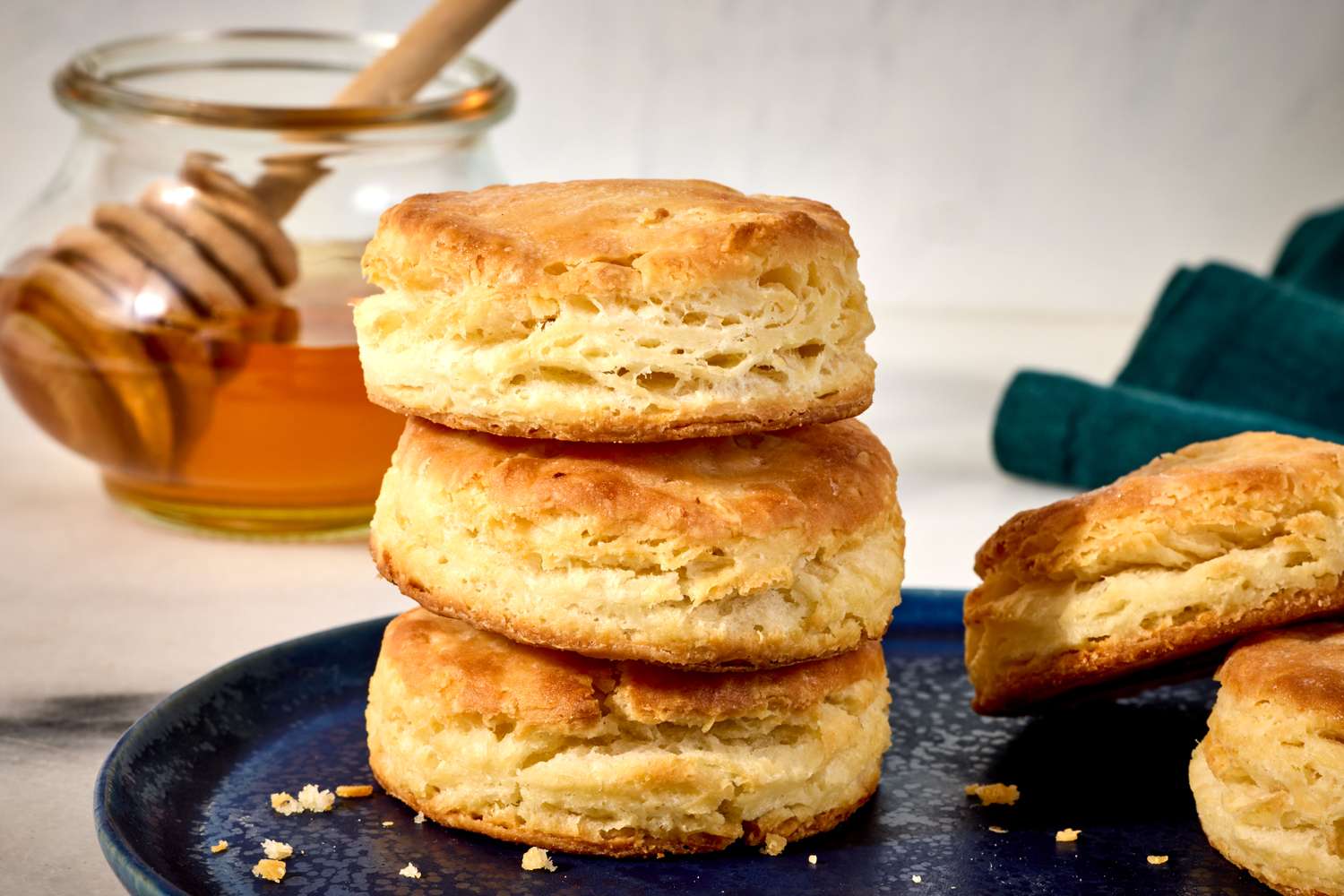
Bake Perfect Southern Buttermilk Biscuits: Tips for Rise & Flakiness
The aroma of freshly baked buttermilk biscuits is a quintessential Southern comfort, a nostalgic scent that promises flaky layers and tender, buttery goodness. Achieving that perfect balance of a golden-brown crust, an incredible rise, and a light, airy interior can seem like a culinary enigma. Many home bakers strive for this ideal, often encountering dense or tough results. But fear not, aspiring biscuit makers! With a few expert tips and a clear understanding of the science behind these delightful baked goods, you too can master the art of crafting extraordinary Southern
buttermilk biscuits that boast an enviable rise and melt-in-your-mouth flakiness.
The Golden Rule: Handle with Care and Keep it Cold!
The foundation of any great biscuit lies in two critical principles: minimal handling and icy-cold ingredients. Ignoring these can quickly turn a potential masterpiece into a dense, disappointing puck.
The Peril of Overworking the Dough
This is arguably the most vital secret to biscuit success. The less you work your biscuit dough, the better your biscuits will be. Why? Flour contains proteins that, when moistened and kneaded, develop gluten. While gluten is essential for the structure of bread, too much gluten development in biscuits leads to a tough, chewy texture rather than the desired delicate flakiness.
When mixing, aim to combine the ingredients just until they come together. Resist the urge to knead vigorously or for extended periods. Think of it as a gentle courtship, not an intense workout. The goal is to hydrate the flour and distribute the fat without encouraging excessive gluten formation.
The Magic of Frozen, Grated Butter
One of the most transformative techniques for superior rise and texture comes from seasoned chefs like Jean-Paul Bourgeois, who credits baker Kelly Fields for popularizing the frozen butter method. Using extremely cold, and ideally frozen, butter is a game-changer for several reasons:
*
Ease of Incorporation: Freezing high-fat butter, like Kerry Gold, makes it firmer and easier to grate with a box grater. This creates tiny, uniform pieces that are effortlessly distributed throughout the flour.
*
Steam Pockets for Rise: As these tiny, cold butter particles hit the hot oven, the moisture within the butter rapidly turns to steam. This steam creates countless small pockets, pushing the dough upwards and outward, resulting in that coveted airy, layered texture and impressive rise.
*
Prevents Overworking: Cold butter melts much slower than room-temperature butter. This buys you more time to mix and shape the dough without the butter fully incorporating into the flour, which would lead to a denser biscuit. The butter needs to remain in distinct pieces to create those flaky layers.
After grating your frozen butter, you can even toss it back in the freezer for a few minutes while you prepare your other ingredients to ensure it stays as cold as possible.
The Importance of Chilled Buttermilk
Just like the butter, your buttermilk should be as cold as possible. Using cold liquids helps to maintain the overall low temperature of your dough, preventing the butter from softening prematurely. This reinforces the principle of "cold fat, hot oven" that is so crucial for achieving a beautiful, sky-high biscuit.
Mastering the Dough: Technique for Texture
Beyond cold ingredients and gentle handling, specific mixing and shaping techniques will elevate your
buttermilk biscuits from good to truly exceptional.
Mixing for Minimal Engagement
Start by combining your sifted, self-rising flour (a Southern staple known for its lower protein content and built-in leavening, like White Lily brand) with the frozen, grated butter. Use a fork or a pastry blender to gently cut the butter into the flour until the mixture resembles coarse crumbs with some pea-sized pieces of butter still visible. This keeps the butter distinct and cold.
Next, add your chilled buttermilk. Mix with a fork just until the liquid is absorbed and the dough barely comes together. It's okay if there are still some dry bits; these will hydrate as the dough rests slightly. The dough should be shaggy and soft, not smooth or elastic.
The Art of the Fold: Creating Flaky Layers
Once your dough is minimally mixed, turn it out onto a very well-floured surface. Instead of kneading, you'll perform a gentle "turn and fold" technique, similar to laminating pastry dough.
1.
Shape: Gently bring the shaggy dough together into a rough ball, then lightly press it into a 1½-inch-thick rectangle with your hands.
2.
Fold: Fold the rectangle into thirds, like a letter.
3.
Rotate: Rotate the dough 90 degrees.
4.
Repeat: Gently flatten it into a rectangle again and repeat the folding process 3 to 4 times.
This gentle folding creates multiple layers within the dough without developing excessive gluten. Each layer, separated by tiny pockets of butter, contributes to the magnificent flakiness that defines a perfect Southern biscuit. The dough should feel supple and slightly springy when pressed, not stiff or resistant.
Cutting for Maximum Rise
When it's time to cut your biscuits, resist the urge to twist your cutter. Twisting can seal the edges of the biscuit dough, preventing it from rising properly. Instead, press straight down with a floured ring mold or biscuit cutter, then pull straight up. Flour your cutter after each use to prevent sticking.
For any scraps, gently gather them, lightly press them together into a rectangle, and cut again. Be aware that these second-batch biscuits may not rise quite as high as the first, due to the additional handling, but they will still be delicious.
The Buttermilk Dilemma: Substitutes & Solutions
Many recipes for authentic Southern
buttermilk biscuits call for buttermilk, which isn't always a pantry staple. Don't let this deter you from baking! Buttermilk's acidity plays a crucial role in tenderizing the dough and activating leavening agents like baking soda. Fortunately, it's incredibly easy to make a substitute:
*
Lemon Juice or Vinegar Method: For every ½ cup of buttermilk called for, combine ½ cup of regular milk (any fat percentage will work, but whole milk yields richer results) with 1½ teaspoons of freshly squeezed lemon juice or white vinegar. Let it sit for 5-10 minutes until it slightly curdles and thickens.
*
Yogurt or Sour Cream Method: You can also thin ½ cup of plain yogurt or sour cream with a bit of skim milk until it reaches the consistency of buttermilk.
These substitutes work wonderfully in a pinch, ensuring you can enjoy flaky biscuits whenever the craving strikes. For more detailed alternatives and tips, read our comprehensive guide on
No Buttermilk? Easy Substitutes for Flaky Biscuits.
Baking for Golden Perfection: Temperature & Timing
The final stage in achieving perfect
buttermilk biscuits is the bake itself. Temperature and timing are critical for maximizing that precious rise.
The Power of High Heat
Preheat your oven to a blazing 475°F (245°C). A very hot oven is essential for several reasons:
*
Oven Spring: The high initial heat causes the moisture in the butter and dough to rapidly convert to steam, creating a dramatic "oven spring" that lifts the biscuits quickly and dramatically.
*
Crust Formation: It helps create a beautiful golden-brown crust without over-drying the interior.
Place your cut biscuits on a nonstick rimmed baking sheet. Bake for an initial 5 minutes, then rotate the pan for even browning. Continue baking for another 4 to 7 minutes, or until the tops are light golden brown and the biscuits have risen significantly. Keep a close eye on them, as oven temperatures can vary.
The Finishing Touch
For an extra layer of flavor and a beautiful sheen, melt any reserved butter nubs (or fresh butter) and brush it over the hot biscuits immediately after they come out of the oven. This adds richness and a lovely soft crust.
Serve your perfect Southern
buttermilk biscuits warm, slathered with softened butter, a dollop of fruit spread, a drizzle of cane syrup (a classic pairing in the South), or alongside a slice of country ham for a truly authentic experience.
For a deeper dive into the science behind using frozen butter for that ultimate rise, check out
Chef's Secret: Frozen Butter for Perfect Buttermilk Biscuits.
Conclusion
Baking perfect Southern
buttermilk biscuits is a culinary journey that rewards patience and attention to detail. By embracing the principles of cold ingredients, minimal handling, and a high-heat bake, you unlock the secrets to achieving that coveted rise and irresistible flakiness. From the magic of frozen grated butter to the gentle art of folding, each step contributes to a biscuit that is tender, airy, and utterly delicious. So, gather your ingredients, follow these tips, and prepare to delight in the comforting taste of homemade Southern hospitality, one perfect biscuit at a time.